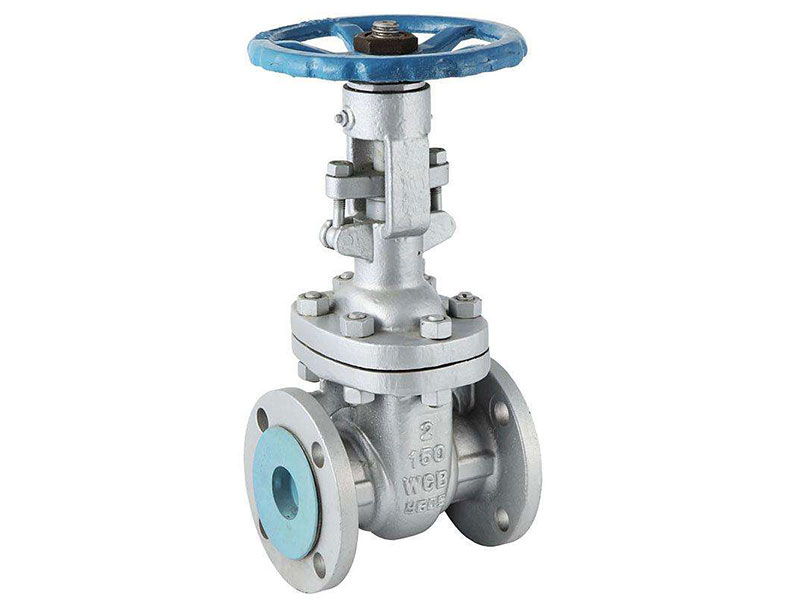
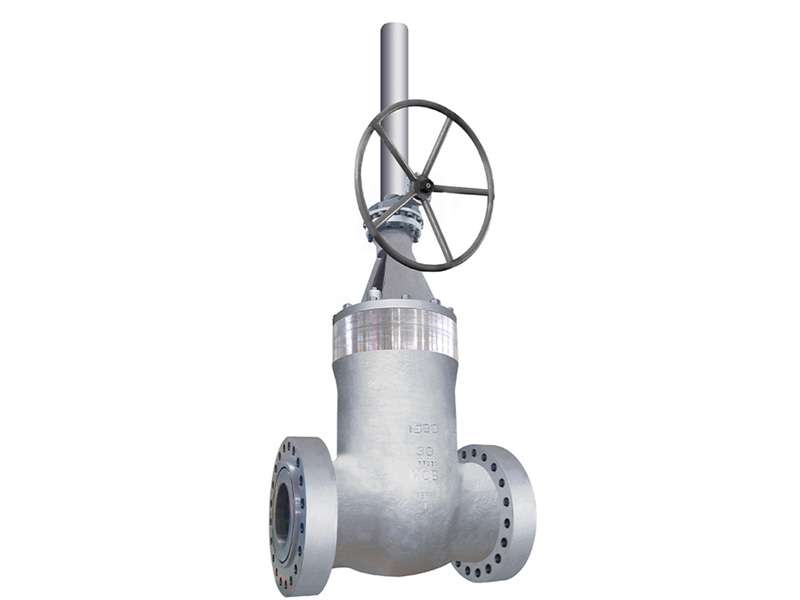
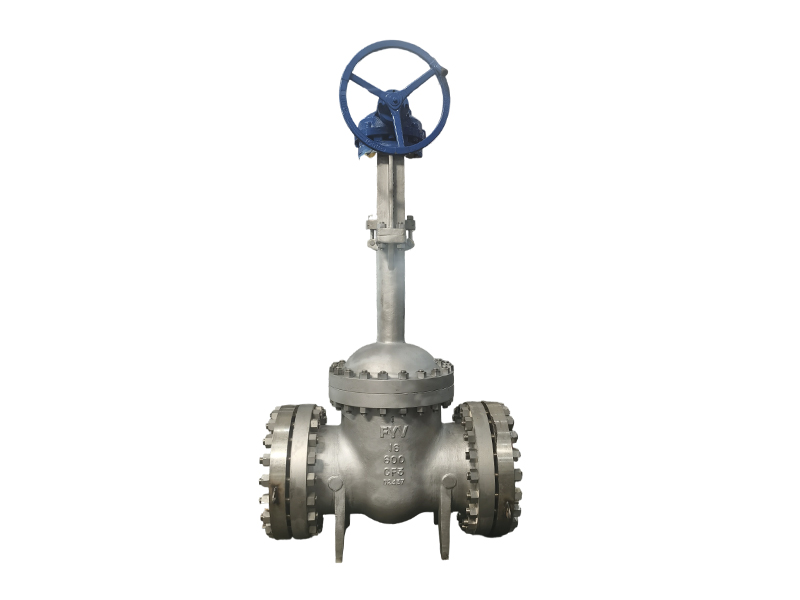
When Should You Use an Expanding Gate Valve?
In industrial piping, valve selection is rarely just a matter of matching size and pressure class. A valve may fit the line on paper and still become the weak point of the system once real operating conditions come into play. That is especially true where shut-off performance matters more than simple flow control. In those situations, the question is not merely whether a gate valve can close, but whether it can continue to isolate reliably after repeated use, pressure changes, and long-term service exposure.
This is where the Expanding Gate Valve becomes relevant. It is typically considered in applications where dependable sealing is a priority and where the consequences of leakage, unstable shut-off, or accelerated wear are too significant to ignore. For engineers, operators, and procurement teams, understanding when to use this valve design is less about product preference and more about matching the valve to the real demands of the service.
Why Application Conditions Matter More Than Product Category
A standard Gate Valve is widely used across industrial systems for good reason. It offers a straightforward design, full-bore flow characteristics, and broad applicability in general shut-off service. In many lines, that is more than enough. But not all operating environments are equally forgiving.
Some services expose valves to conditions that gradually challenge sealing reliability. Pressure may fluctuate. Operating cycles may be frequent. Isolation points may be critical to process safety or maintenance procedures. In these cases, valve selection starts to become a question of performance stability rather than simple compatibility.
An Expanding Gate Valve is often chosen when the line requires stronger and more dependable shut-off behavior over time. Rather than treating all gate valves as interchangeable, experienced buyers tend to focus on how a valve will perform after months or years in the actual service environment.
Situations Where an Expanding Gate Valve Is Often the Better Choice 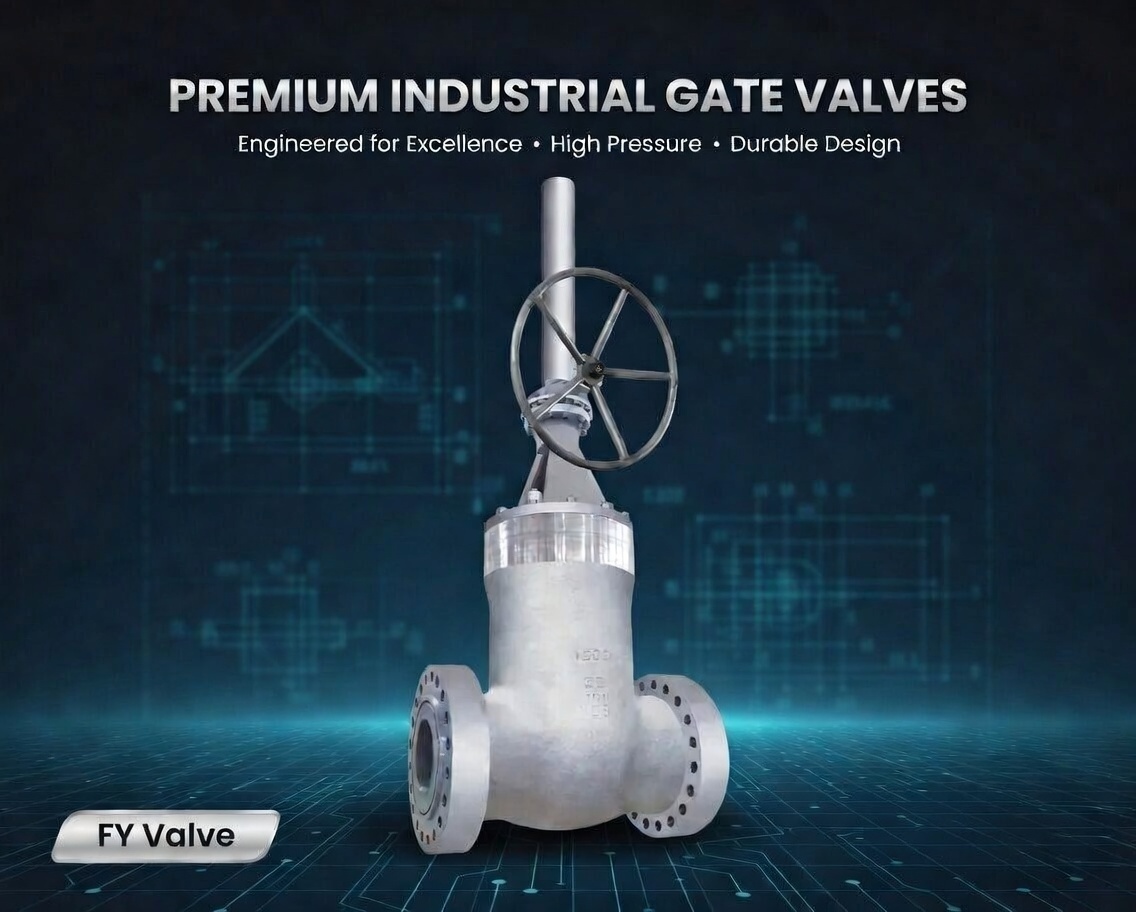
There is no single rule that applies to every pipeline, but several service conditions commonly lead engineers to consider an Expanding Gate Valve over a more conventional Gate Valve.
Critical isolation points
In some systems, a shut-off valve is not just controlling process flow. It may be protecting downstream equipment, isolating hazardous media, or creating a safe condition for maintenance. At these points, even minor leakage can become a serious operational issue.
Where isolation integrity is essential, an Expanding Gate Valve is often preferred because the application places a higher value on secure shut-off performance than on minimum initial cost.
Services with pressure fluctuation
Pipelines do not always operate under perfectly steady pressure. Variations in upstream or downstream pressure can affect how sealing surfaces behave during repeated operation. In systems where this is a routine part of service, valves are often evaluated not only by pressure rating but by their ability to maintain sealing consistency under changing conditions.
This is one of the reasons an Expanding Gate Valve may be selected for more demanding duty.
Frequent cycling
Some valves spend most of their life in one position. Others are opened and closed regularly as part of normal operation. Repeated cycling places more stress on internal components and can reveal weaknesses in designs that are otherwise acceptable for low-frequency use.
Where valve operation is frequent, buyers often look for a Gate Valve design that offers more stable long-term shut-off performance rather than one chosen only for general-purpose service.
Applications where leakage carries high cost
Leakage does not always result in dramatic failure. More often, it leads to maintenance intervention, process inefficiency, operational risk, or unplanned downtime. In industries where any of those outcomes are expensive, the valve design itself becomes part of the reliability strategy.
An Expanding Gate Valve is regularly considered in these situations because the operating context leaves less room for sealing uncertainty.
Industries That Commonly Use Expanding Gate Valves
Although valve selection always depends on actual service requirements, several industries frequently evaluate Expanding Gate Valve designs for specific operating reasons.
|
Industry
|
Typical Service Focus
|
Why Valve Choice Matters
|
|
Oil and Gas
|
Transmission, isolation, upstream and midstream duty
|
Leakage control and shut-off reliability are critical
|
|
Petrochemical
|
Process isolation and unit operation
|
Stable sealing supports safer continuous operation
|
|
Pipeline Infrastructure
|
Mainline and sectional isolation
|
Long-term dependability reduces maintenance risk
|
|
High-Pressure Service
|
Demanding shut-off conditions
|
Performance stability becomes more important
|
|
Specialized Industrial Systems
|
Critical or sensitive process lines
|
Valve reliability affects system confidence
|
This industry view matters for SEO as well as usability. Buyers in North America and Europe often search by application first and by product second. That means content framed around real service conditions tends to perform better than pages built only around product terminology.
Signs a Standard Gate Valve May Not Be Enough
In practice, many valve problems do not appear immediately after installation. They develop gradually as the equipment is exposed to real operating conditions. That is why application review matters so much before the purchase stage.
A more robust valve design may be worth considering when any of the following conditions are present:
- the valve serves as a critical isolation point
- the system experiences pressure variation during normal operation
- the valve is operated frequently rather than left static
- leakage would create safety, maintenance, or compliance concerns
- long-term service reliability matters more than lowest upfront cost
- shutdowns or repair access are expensive for the facility
These are the scenarios in which an Expanding Gate Valve often enters the discussion. Not because it is universally superior, but because it may be better aligned with the actual duty.
What Buyers Should Evaluate Before Making the Choice
Choosing the right Gate Valve for critical service is usually less about comparing brochures and more about asking better technical questions. A valve that looks similar in a product list may behave very differently in field operation.
Service conditions
Pressure, temperature, flow media, and cycling frequency should all be reviewed together rather than in isolation. This provides a more realistic basis for determining whether a standard Gate Valve will be sufficient or whether an Expanding Gate Valve should be considered.
Isolation importance
Not every shut-off point carries the same consequence of failure. If the valve is part of a critical process boundary, selection standards should rise accordingly.
Lifecycle cost
Initial purchase price is only one part of the cost picture. Maintenance demands, service interruptions, replacement intervals, and leakage-related risk can all outweigh the difference in first cost.
Supplier consistency
Even the right valve design depends on manufacturing quality, testing discipline, and material consistency. For industrial buyers, supplier capability is often as important as product category.
An Expanding Gate Valve is the preferred solution when the application requires more than simple shut-off performance. It is particularly well suited for critical isolation services, pipelines subject to pressure fluctuations, frequently operated systems, and applications where leakage could result in operational losses, safety risks, or increased maintenance demands. In these demanding conditions, a higher level of sealing reliability and operational stability is essential.
Fangyuan Valve Group Co., Ltd, a professional Gate Valve Factory, specializes in manufacturing high-quality valve solutions for a wide range of industrial applications. With strong production capability, rigorous quality control, and a commitment to dependable performance, we supply gate valves that help customers achieve safer operation, improved sealing integrity, and longer service life. For industries seeking reliable valve products for demanding service conditions, Fangyuan Valve Group Co., Ltd stands as a trusted manufacturing partner.



 English
 русский
 Español
 عربى
عربى